Schools against single-use plastic
You can be empowered to save the planet
Plastic Free Campus helps schools fight single-use plastic pollution worldwide, with six guided modules, real baseline measurements and results your students can prove.
What is Plastic Free Campus?
AboutPlastic Free Campus (PFC) is dedicated to helping schools fight single-use plastic pollution worldwide. PFC helps schools make a difference for the environment, social justice and our own health.
How the programme does it
- 01Enabling schools and communities to make a meaningful environmental impact.
- 02Inspiring students to adopt sustainable values within their own lives.
- 03Empowering them through the art of negotiation and self-guided research.
Why it matters
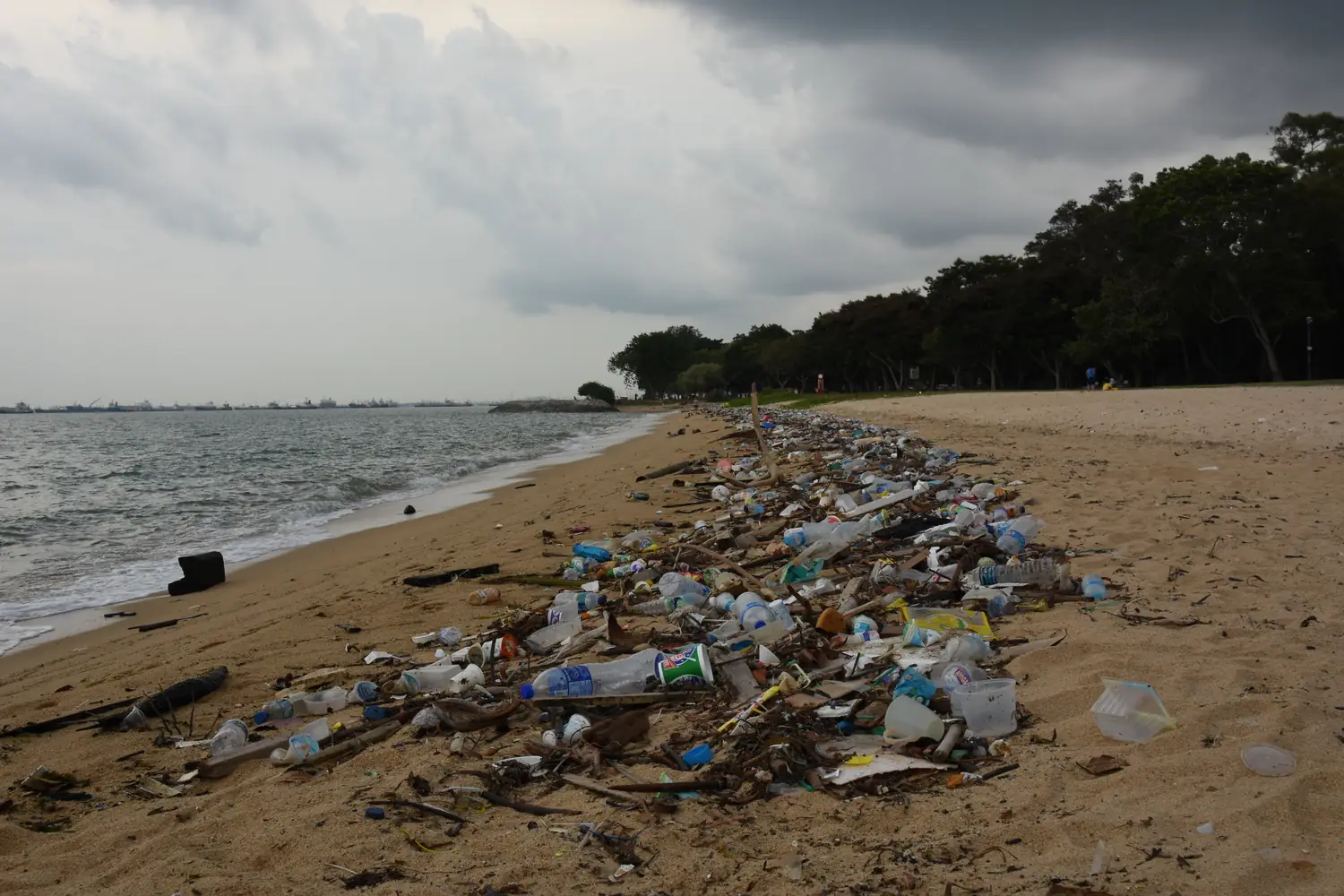
- Plastic pollution is a real issue. Just look around.
- Plastics are made from oil and gas, and their production harms our environment through added greenhouse gases.
- Nature cannot digest it. Plastics break UP into smaller pieces called micro-plastics. They never break down.
- Plastics affect millions of sea and land creatures who are injured or killed eating them.
- Plastics are now found everywhere: in our food, in our drink, in nature and all over the planet.
- Plastic food and drink packaging often contains harmful chemical additives that affect human health.
The programme will
- Empower me and others to make change
- Help me organise teams to create a movement
- Teach me negotiation techniques and the power of persuasion
- Ask me to investigate existing local waste management systems
- Lead me to create community awareness of the plastic pollution issue
- Inspire behavioural changes at my school, home and community
- Watch the student "How to get started" video
The programme provides
- An active hands-on learning opportunity
- Measurable results: baseline metrics at the start and quantified results at the end
- Individual, family, school and community engagement
- Sharing lessons learned here and from others around the world
The programme will
- Encourage discussion at home on how and why to reduce reliance on plastics
- Help my children develop key life skills: teamwork, organisation, communication, negotiation and project management
- Allow parents to follow progress as observers. Request a link from the school faculty advisor
- Watch what the faculty and students say
The programme provides
- An active hands-on learning opportunity
- Measurable results: baseline metrics at the start and quantified results at the end
- Individual, family, school and community engagement
- Sharing lessons learned here and from others around the world
The programme will
- Provide students the chance to develop key life skills: teamwork, organisation, communication, negotiation and project management
- Improve curriculum links to integrate the issue of plastic pollution and waste management into the classroom
- Provide resources and tools to conduct community and locally-focused projects
- Help schools better apply the values reflected in school policy
- Watch the teacher "How to get started" video
The programme provides
- An active hands-on learning opportunity
- Measurable results: baseline metrics at the start and quantified results at the end
- Individual, family, school and community engagement
- Sharing lessons learned here and from others around the world
Pop a bubble
The evidenceFive things worth knowing before your school starts. Every one carries its source.
Six modules
The programmeEnvironmental education in the classroom is more effective when the school community takes its own steps to become more sustainable.
The programme can be integrated into an existing curriculum or run separately as an extra-curricular activity. Schools lay the groundwork in Getting Started. The other five modules can be completed in any order.
How a school runs it
- AccountA student or a teacher creates a school account. A student must designate a teacher to validate the project.
- EcoCrewThe Plastic Free Campus Committee, known as the EcoCrew, sets up individual user accounts to contribute to each module.
- ChecklistEvery module gives information, guidance and a checklist. The faculty advisor reviews and verifies it, and the module is approved.
- NautilusWhen all modules are complete the school earns the PFC Nautilus badge and joins the community of programme graduates.
Tracking progress requires registration. A student tackling a single component alone does not need to register.
Who is in?
Live programme register145 schools have registered across 47 countries and five world regions. Here is where the programme is running today.
Schools by country
Top 12 of 47 · hover for detailBy world region
Share of 145
Ready to make a difference in your school?
Join usThree steps to starting the Plastic Free Campus journey.
145 schools, 47 countries
Your campus is the next one on the map.
Register with an administration or faculty sponsor, set your baseline, and start with Getting Started. Everything after that is your students' work.